
How Professional Caregivers Improve Patient Comfort
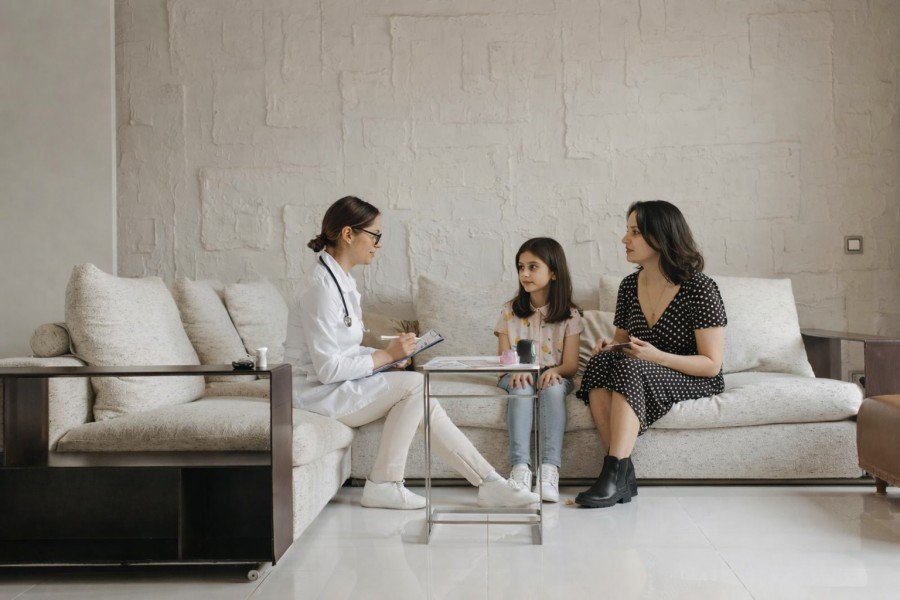
How Professional Caregivers Improve Patient Comfort
Caring for a patient requires more than just medical attention. Emotional support, daily assistance, compassion, and continuous monitoring all play a crucial role in improving recovery and overall well-being. Professional caregivers are trained to provide personalized care that helps patients feel safe, comfortable, and supported within their own homes.
As home healthcare services continue to grow, professional caregivers have become an essential part of patient recovery and long-term care management.
Personalized Care in a Familiar Environment
One of the biggest advantages of professional caregiving is that patients receive care in the comfort of their own homes. Being surrounded by family and familiar surroundings often reduces stress, anxiety, and emotional discomfort.
Unlike hospitals, home care provides:
- A peaceful environment
- Personalized attention
- Better emotional support
- Greater independence
Patients often recover faster when they feel emotionally secure and comfortable.
Assistance with Daily Activities
Many patients struggle with routine daily tasks due to illness, surgery, aging, or disability. Professional caregivers assist with activities such as:
- Bathing and grooming
- Dressing assistance
- Feeding support
- Mobility assistance
- Medication reminders
- Toileting support
This daily assistance helps patients maintain dignity and improves their quality of life.
Emotional and Mental Support
Illness and long recovery periods can affect a patient’s emotional health. Feelings of loneliness, frustration, or depression are common among elderly or bedridden individuals.
Professional caregivers provide companionship and emotional reassurance by:
- Engaging in conversation
- Offering encouragement
- Supporting social interaction
- Reducing feelings of isolation
This emotional connection greatly improves patient comfort and mental wellness.
Improved Safety and Reduced Risk of Injuries
Patients recovering at home may face risks such as falls, medication errors, or mobility-related injuries. Caregivers help create a safer environment by monitoring the patient’s condition closely.
- Safe movement and transfers
- Fall prevention
- Proper medication schedules
- Emergency response support
Continuous supervision reduces accidents and gives families peace of mind.
Better Recovery and Health Monitoring
Professional caregivers are trained to observe changes in a patient’s health condition. Early signs of complications can be identified quickly, allowing timely medical intervention.
Caregivers monitor:
- Vital signs
- Breathing patterns
- Mobility changes
- Appetite and hydration
- Pain levels
This consistent observation contributes to faster and safer recovery.
Support for Elderly Patients
Senior citizens often require long-term support due to age-related health conditions. Professional caregivers help elderly patients maintain independence while ensuring their medical and personal needs are met.
- Walking support
- Medication management
- Memory care
- Meal preparation
- Hygiene assistance
Reduced Burden on Family Members
Family caregivers may experience stress, exhaustion, and emotional burnout while managing patient care alone. Professional caregivers help reduce this burden by sharing responsibilities and ensuring proper care management.
- Focus on emotional support
- Balance work and personal life
- Reduce caregiving stress
- Gain confidence in patient safety
Specialized Care for Medical Conditions
Certain patients require specialized support due to critical illnesses or chronic conditions.
- Stroke recovery
- Paralysis care
- Dementia support
- Alzheimer’s care
- Cancer care
- Post-surgery recovery
Encourages Independence and Confidence
Many patients feel frustrated when they become dependent on others for simple tasks. Caregivers encourage patients to perform activities within their abilities, promoting confidence and independence.
Enhances Overall Quality of Life
Patients benefit from:
- Better hygiene
- Proper nutrition
- Emotional stability
- Reduced stress
- Improved recovery outcomes
Conclusion
Professional caregivers play a vital role in ensuring patient comfort, safety, and emotional support. Their personalized care helps patients recover in a familiar environment while maintaining dignity and independence.
Whether caring for elderly individuals, post-surgery patients, or critically ill patients, professional caregivers provide compassionate support that improves both recovery and quality of life. Choosing professional home caregiving services can make a meaningful difference for patients and their families.